
Choosing the right home color ideas is not just a question of beauty or trends. In other words, this relates to how we feel, how we assume even, and to how we feel comfortable within the environment. Every single color of the walls, seating, and design matters.
Many people search for positive energy colors, peaceful home colors, and happy home colors because they want a home that feels calm after a long day and energetic in the morning. The right home interior design colors can reduce stress, boost mood, and improve relationships within the family.
This detailed guide explains 7 home color ideas that bring peace, happiness, and positive energy. You will also learn color psychology for home, practical tips on how to choose home colors, best color palette ideas, common mistakes to avoid, and future-focused insights on how thoughtful color planning adds long-term value to your home.
Home color schemes also look great when dependent on changing seasons. Just as painting colors, home decoration for different seasons is a critical part of revamping your home space annually. By revamping small home decoration things according to different seasons, it is possible to make your home space look bright and balanced throughout a whole year.If you want easy and practical inspiration, check out our detailed guide on Seasonal Decorating Ideas to Bring Fresh Style to Your Home, which explains how to refresh your home decor for every season without major changes.
Why Home Colors Matter for Peace, Happiness, and Positive Energy
Colors influence emotions directly. This is why hospitals use soft shades, cafes use warm tones, and luxury homes focus on balanced color schemes. Understanding color psychology for home helps you make better decisions for your living space.
The Emotional Impact of Colors in Home Decor
Colors in home decor have psychological effects pertaining to mental clarity, relaxation, as well as happiness. Pastel colors lead to colors of peace in a home, while vibrant colors lead to feelings of joy and excitement. In case the colors are not tranquil or pleasing, they can cause agitation.
A well-planned home interior design color scheme supports:
- Emotional balance
- Better sleep and relaxation
- Positive energy home decor
- A welcoming environment for guests
How Color Psychology Works in Home Interior Design
Color psychology is the study of how colors affect human emotions. In homes:
- Light colors reflect more light and feel open
- Natural tones feel grounding and safe
- Warm shades feel welcoming
- Cool shades feel calming
When you use best colors for home energy, your house becomes a place where people feel happy, peaceful, and emotionally secure.
7 Home Color Ideas for Positive Energy and Good Vibes
1. Soft White and Cream Shades for a Peaceful Home Colors
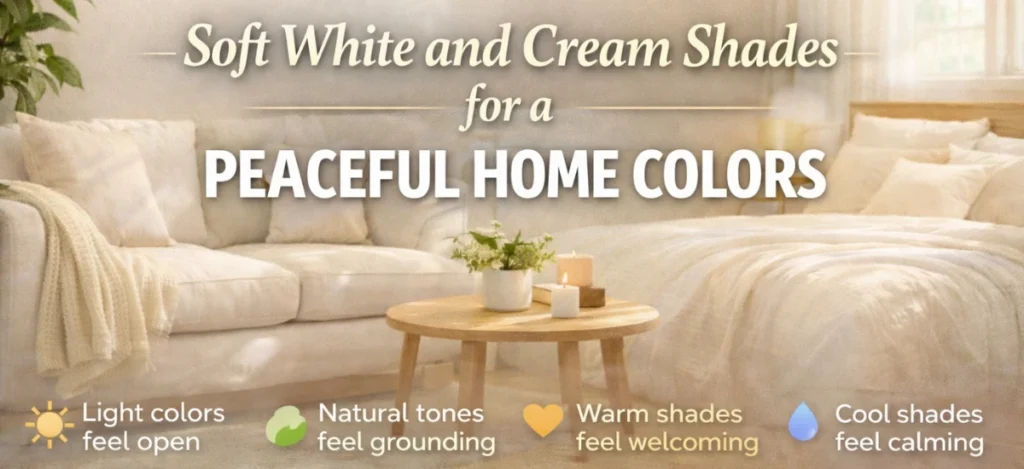
Soft white and cream are timeless home color ideas that create calmness and clarity. Unlike harsh white, these shades feel warm and comforting, making them perfect calming wall colors.
These shades reflect natural light, making rooms look bigger and brighter. They are ideal colors for peace at home, especially in living rooms, bedrooms, and meditation areas.
Soft white also allows flexibility in color decorating ideas, as you can easily add furniture or decor in different shades without disturbing the balance.
2. Light Blue Shades for Calm & Relaxing Energy
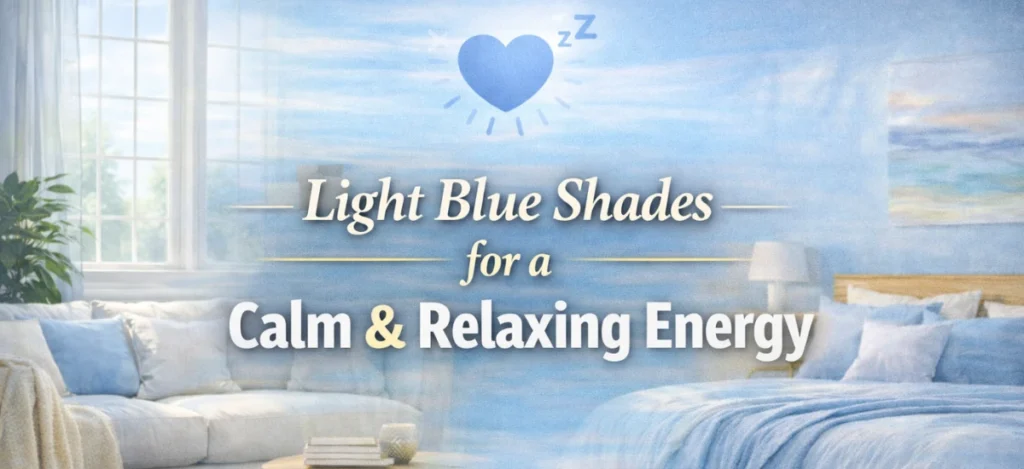
Light blue is one of the most recommended peaceful home colors. It is linked with the sky and water, creating a sense of openness and relaxation.
In home interior design, blue works well in bedrooms and study rooms. It helps lower stress and improves concentration, making it a powerful color that boosts mood in a gentle way.
For best results, pair light blue with white, beige, or light wood to maintain a peaceful environment and positive energy.
3. Soft Green Shades for Nature & Positive Vibes
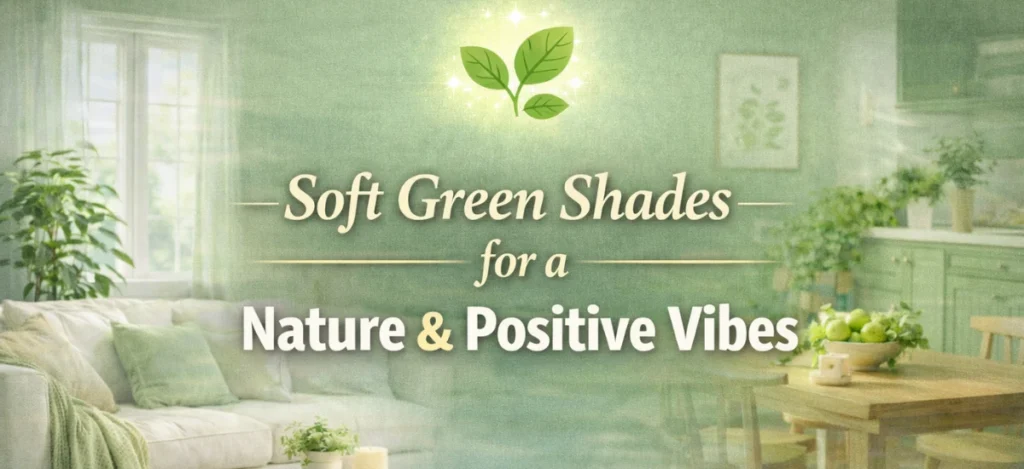
Green represents nature, balance, and renewal. Soft green shades are excellent positive energy colors for homes.
These sun shades lessen anxiety and assist in creating emotional stability. Green works fantastically in living rooms, kitchens, and bedrooms, in which households spend most of their time.
Using green in positive energy home decor, along with indoor plants, increases freshness and brings natural harmony into your home.
4. Warm Yellow Tones for Happiness and Cheerful Energy

Yellow is associated with happiness, optimism, and warmth. Soft shades of yellow work well as a happy home color scheme if appropriately mixed and measures are taken to avoid overuse.
Yellow color can be used in the kitchen, dining room, or family room. It increases happiness, communication, and positivity.
Large walls with bright yellow color are best avoided. For this purpose, warm pastel yellow or butter yellow can be used. So, when we talk about color ideas for rooms, yellow can definitely be considered.
5. Beige and Earthy Tones for Comfort and Stability

These earthy shades – beige, taupe – will be certain grounders for your home color ideas, creating emotional comfort and long-lasting appeal.
These colors of peace in the home are ideal for those who prefer a simple and elegant interior design in the home. The earthy tones tend to age well and maintain value over time.
They go very well with wood furniture and soft lighting, creating color schemes for a happy home that are never overwhelming.
6. Soft Pink and Blush for Emotional Warmth
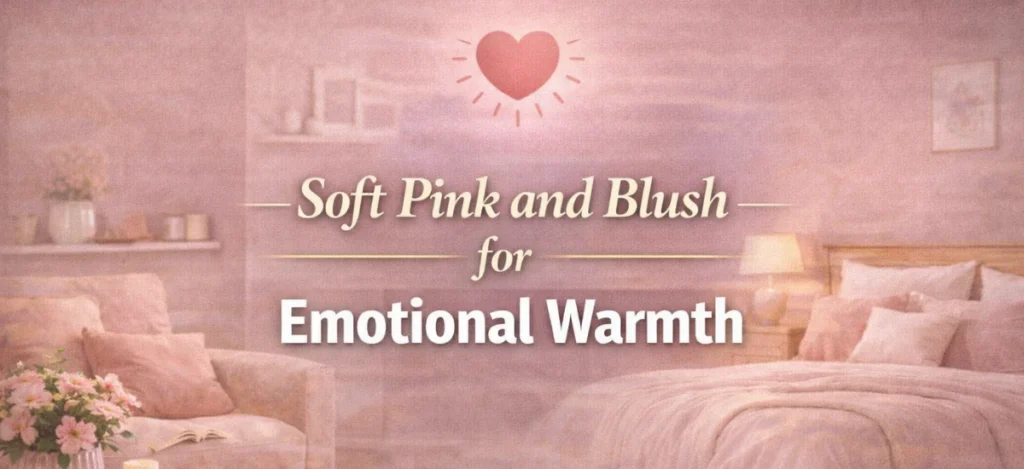
Soft pinks and blushing colors are often the most overlooked and, at the same time, powerful colors to evoke mood. These shades create an emotional warmth, safety, and comfort.
Blush works in interior home design for bedrooms, reading corners, and creative spaces. It cultivates emotional balance and engenders cool relationships.
When used in conjunction with neutral shades, pink is one of the most calming home colors.
7. Lavender and Soft Purple for Relaxation and Calm Energy
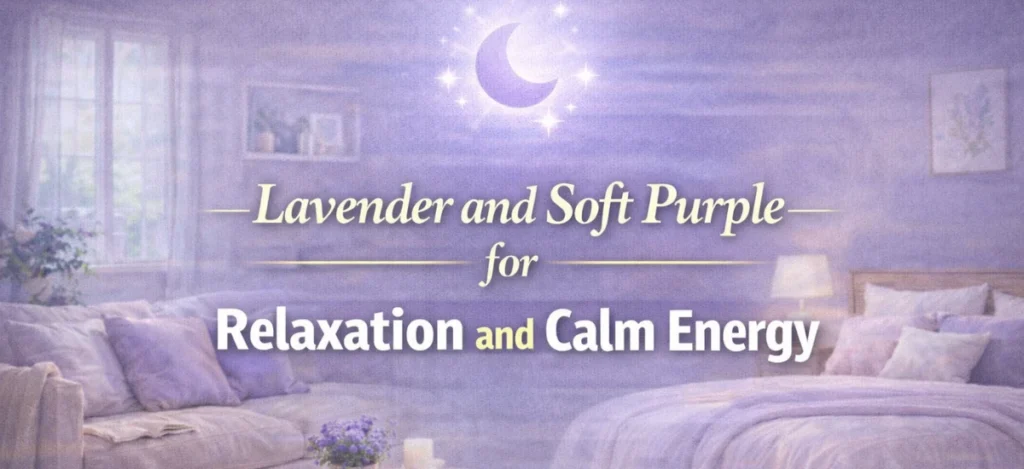
Lavender and soft purple shades support relaxation and inner peace. They are excellent calming wall colors for bedrooms and quiet spaces.
These colorings help reduce mental noise and promote restful sleep. In home decor, lavender pairs properly with white, silver, and smooth grey for stylish consequences.
This makes lavender a strong choice for room color ideas for good vibes and emotional clarity.
How to Choose the Right Home Colors
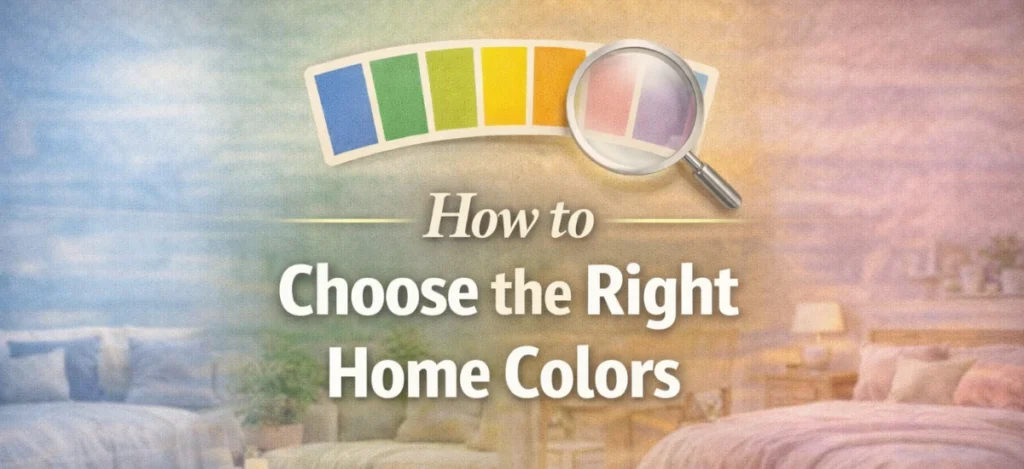
Choosing the right home color ideas is a thoughtful process that should be based on comfort, practicality, and emotional balance rather than quick decisions or short-term trends. Many homeowners regret their color choices because they select shades only by looking at online images or showroom samples, without considering how those colors will behave in their actual living space. To create peaceful home colors that truly work, it is important to plan carefully and understand how different factors affect color performance.
Understand Natural Light and Room Size
Natural light is also a component that influences the effect of colors when they are inside the house. A color that looks soft and pleasant when you are selecting paint at the store may actually wind up looking dull or too dark when it is inside the room and receiving less light. If you have a room that receives naturally less light, like a north-facing or small apartment, you can really go with softer and lighter colors here.
However, in rooms which have plenty of sunlight throughout the day, richer colors can be considered without making the room look heavy. Even in rooms which have plenty of sunlight, extremely dark colors need to be used in a way that ensures a calm color scheme in homes. The size of rooms also needs to be considered. If rooms are smaller in size, a lighter color scheme works well. In larger rooms, even bold colors can be considered.
Choose Colors Based on Room Purpose
Each room in the house is meant for a different function, and the choice of colors should reflect that. Bedrooms are meant for personal use and for sleeping and relaxing. They therefore need quiet colors that would not cause any stressful responses and therefore should be painted in shades of soft blue, green, beige, and cream.
Living Rooms: Social Spaces of the Family Where Members Spend Time Relaxed & Chatting Living rooms are the social parts of the household where the family hangs out, chats, & spends time with each other. Such spaces can use happy home colors, which are warm & inviting but not overwhelming.
Kitchens, dining areas, among others, are action zones. Their most effective colors would be warm and lively ones. These include light yellows, natural earth colors, or whites that have warm undertones. Therefore, the key to effective home decor is matching the color schemes to their intended use.
Use Sample Testing Before Final Painting
Testing paint samples is one of the most critical components in learning the skills required for painting homes effectively. Start painting a small area on the wall and test the colors at various times of the day. Variations in colors are phenomenal in the morning sun, afternoon sun, and artificial lighting in the evenings.
What may seem to be a calm color in the daylight may look dull or heavy in the evening. You can test the color and determine the real effect the color will have in the environment by testing the color. Color testing will save you the cost of spending money on the wrong color, as well as help you choose the right color to enhance more uplifting colors.
Best Color Combinations for a Happy and Peaceful Home
More importance can be given to the combinations of colors than individual colors. Ideas related to well-balanced colors can make a good color palette.
White and soft green is refreshing. Beige and warm yellow is inviting. Blue and cream is very relaxing and sophisticated. These painting combinations for happy home designs will work well with any interior design style.
Using consistent undertones throughout the home helps increase visual comfort.
Common Mistakes to Avoid While Choosing Home Colors

Selecting appropriate home color schemes involves more than liking a certain color. The mistake to avoid here is the lighting factor. Room conditions under sunlight and light bulbs are not the same, and black-colored rooms may provide a feeling of having smaller environments due to the poor illumination and awkwardness feeling engendered. To ensure having a serene environment through home colors, factors involving sunlight must always be considered.
Another common error is the overuse of dark colors and very dark and bold shades. Even though these colors appear to be fashionable and aesthetically pleasing, sometimes a wrong balance can cause uncomfortable and negative energy. Harmonious shades would be better in depicting happy home colors, especially in the use of lighter shades to soften the atmosphere.
In addition, many individuals tend to combine too many colors in their decorating scheme. As the name suggests, this practice will cause the interior to look cluttered and restless. These color combinations can help give the interior a more harmonious look.
Embracing trends without considering the long-term implications is a topic in itself. “Trendy colors can easily become obsolete, whereupon less popular colors, being less coveted, become less costly,” explained Janes. “Specify colors that never go out of style, assisting in the long-term functionality of the space.Colors should support relaxation, happiness, and daily comfort—not just look good online.
Final Words: Creating a Peaceful and Happy Home with the Right Colors
Selection of appropriate home color schemes is an effective long-term investment for comfort, happiness, and overall well-being. This is because colors are linked to emotional patterns and contribute to levels of energy and overall home environments on a daily basis. Proper colors can trigger calmness and happiness.
By incorporating balanced color decorating schemes, understanding home interior design basics, and using positive energy colors effectively, you can create a space that is relaxing, joyful, and welcoming. A balanced and well-designed color palette ensures that your home is comfortable and pleasing to the eyes and soul for a long time.
FAQs: Home Color Ideas for Peace, Happiness, and Positive Energy
Positive color combinations that work well when painting houses and are the softest to the eye have white, light blue, green, beige, pink, and lavender colors.
Some colors that symbolize peace in a home environment include light blue, pale green, cream, beige, and lavender. These colors can combat stress.
When selecting happy colors that will be used in your home, you can focus on using light colors such as soft yellow, cream, and blush.
Yes, colors in the walls do have a major effect on our moods. The appropriate psychological approaches regarding colors and their usage in houses explain how calming colors are essential for our moods, sound sleep, and mental calmness.