
Winter can be a difficult season for indoor plants. Shorter days, lower sunlight, dry indoor air, and cold temperatures can stress many houseplants. This is why choosing winter-friendly indoor plants is important, especially if you want your home to stay green and lively during the colder months.
The good news is that many indoor plants actually do very well in winter. Some plants naturally grow more slowly during this season and need less care, less water, and less attention. These plants are perfect for homes, apartments, and offices.
In this guide, you will learn:
- What makes a plant winter-friendly
- The best indoor plants for winter
- Low-maintenance plants that survive cold weather
- Simple winter care tips for indoor plants
Whether you are a beginner or already love indoor gardening, this article will help you choose the right plants for winter.
Why Winter Is Hard for Indoor Plants
Before we proceed to pick out the indoor plants that may thrive for the duration of winter, it’s critical to understand why winter can be an annoying season for most indoor plants. Although indoor plants are included from the outdoor environment, they nevertheless revel in the outcomes of the season.
Now, allow us to have a look at the maximum not unusual motives why indoor plants find it hard to thrive during wintry weather.
Less Sunlight
One of the largest issues for indoor plants during winter is the quantity of sunlight. During iciness, the times are shorter, and the sun is lower in the sky. This approach results in less daylight entering your private home.
Some of your indoor plants may also want sunlight to undergo photosynthesis. When this happens, plant life develop slower or forestalls developing altogether. Some plants may lose their vibrant colour, become more susceptible to pests, or start to shed leaves. Plants that are a long way from windows will suffer from this problem more.
This is why low-mild indoor plants are more suitable for winter than plants that require plenty of daylight.
Cold Temperatures
Another serious problem for indoor plants during winter is cold weather. Even in houses, cold air can enter via home windows, doors, and walls.
Plants kept close to windows may also experience unexpected drops in temperature at night. Most indoor plants prefer a stable temperature. Sudden cold air or temperature adjustments can surprise plant life and damage its leaves. You may also see yellow leaves, gentle stems, or stunted growth on the plant due to cold air.
Some vegetation are greater sensitive than others. That is why bloodless-tolerant indoor plant life is a better alternative for winter.
Dry Indoor Air
In winter, heating gadgets are used regularly, and this results in very dry air. Dry air influences many flora, particularly tropical ones.
Dry air makes the moisture in plant leaves evaporate more quickly. This affects leaves turning brown at the tips and edges. Plants seem unhealthy even when they’re well-watered.
Plants that can withstand dry air or vegetation that store water in their leaves are less difficult to address in winter.
Overwatering Problems
Overwatering is one of the most common errors that humans make in the course of winter. Since indoor plants have a tendency to develop slowly during wintry weather, they require much less water. But many humans generally tend to continue watering their plant life at the same rate as they did all through summer season.
If plant life is left in waterlogged soil for a long time, the roots of the vegetation fail to get hold of ok oxygen. As a result, root rot, yellowing of leaves, and death of the plant arise. Overwatering is more hazardous throughout winter because it takes a longer time for the soil to dry.
Selecting indoor plants that require much less water in the course of wintry weather can prevent this problem and make plant protection a whole lot less complicated.
What Makes a Plant Winter-Friendly?
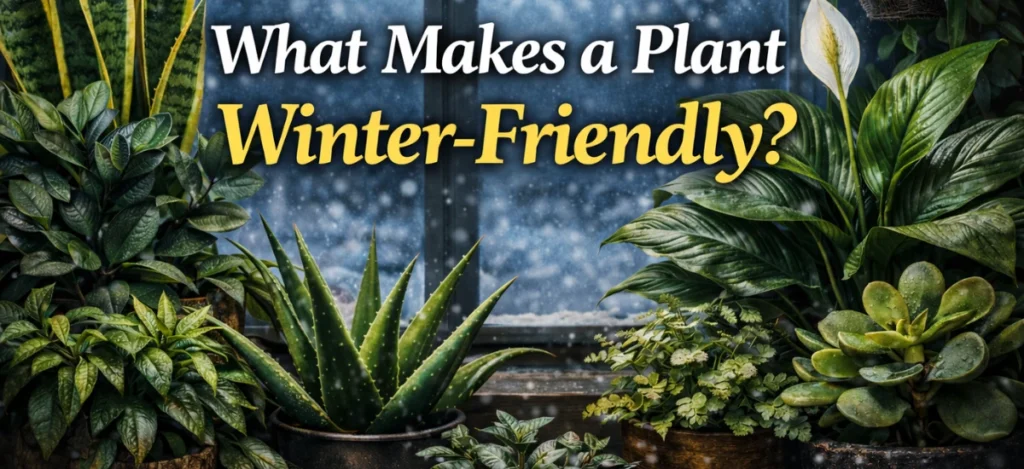
Not all indoor plants can handle winter conditions easily. Some plants struggle when light levels drop, temperatures change, and indoor air becomes dry. However, winter-friendly indoor plants have certain natural qualities that help them survive and stay healthy during the colder months.
Understanding these qualities will help you choose the right plants for your home and avoid common winter plant problems.
Winter-friendly indoor plants usually have these qualities:
- Can survive low light
- Do not need frequent watering
- Tolerate dry air
- Grow slowly in winter
- Do not drop leaves easily
Plants with thick leaves, strong roots, or tropical origins often do well indoors during winter.
Top 15 Best Winter-Friendly Indoor Plants for Homes
Selecting the precise indoor plant for wintry weather can significantly affect the fitness and freshness of your home throughout the winter. The following plants are famous for their capability to thrive in low-maintenance situations, dry indoor air, and much less common watering. These indoor plant species are best for homes, flats, and offices, and can be maintained by anybody, even folks who are new to indoor plant growing.
1. Snake Plant
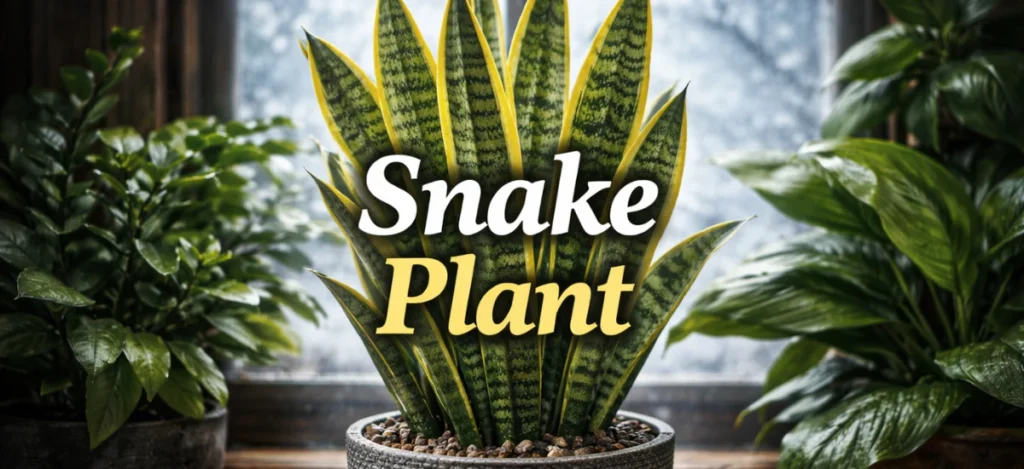
The Snake Plant is one of the most resilient and easy-to-care-for indoor plants, specifically throughout the wintry weather season. The Snake Plant is identified by its upright, sword-fashioned leaves and its potential to thrive in situations where different plant life would now not live to tell the tale. The Snake Plant can thrive in low, mild conditions, dry air, and abnormal watering styles, making it a suitable plant for a wintry weather home.
Why It’s Great for Winter:
- Thrives in low light
- Needs very little water
- Handles dry indoor air well
Care Tips:
- Water only when soil is fully dry
- Keep away from freezing drafts
- Grows well in bedrooms and living rooms
Snake Plant is perfect for beginners and busy people.
2. ZZ Plant
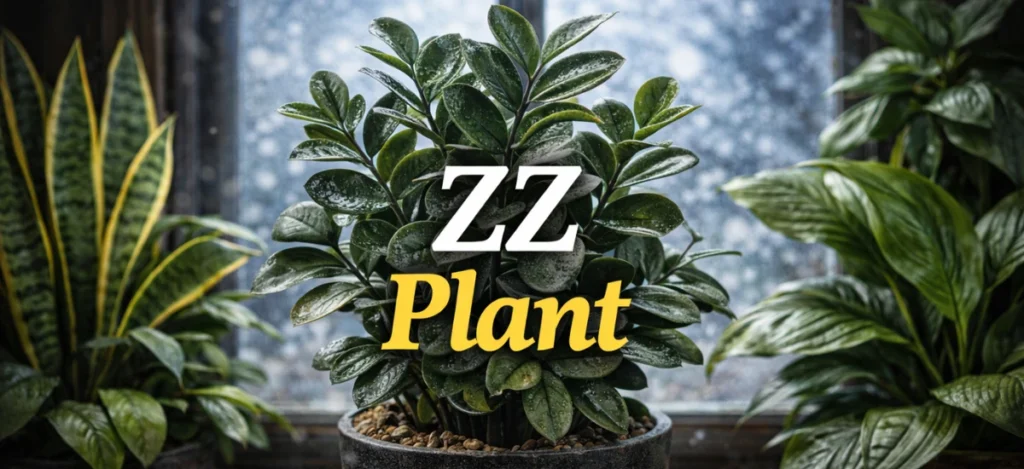
The ZZ Plant is a superb option for wintry weather because of its dark green leaves and ability to thrive in low-light conditions. It is likewise very hardy and might tolerate low-water situations. This plant is excellent for human beings who have low daylight of their homes during the wintery months. It is likewise a top-notch plant for a beginner due to the fact it is very easy to attend to.
Why It’s Great for Winter:
- Stores water in its roots
- Survives low light
- Needs watering only every few weeks
Care Tips:
- Avoid overwatering
- Place in indirect light
- Very low maintenance
This plant is ideal for homes with little sunlight.
3. Pothos (Devil’s Ivy)
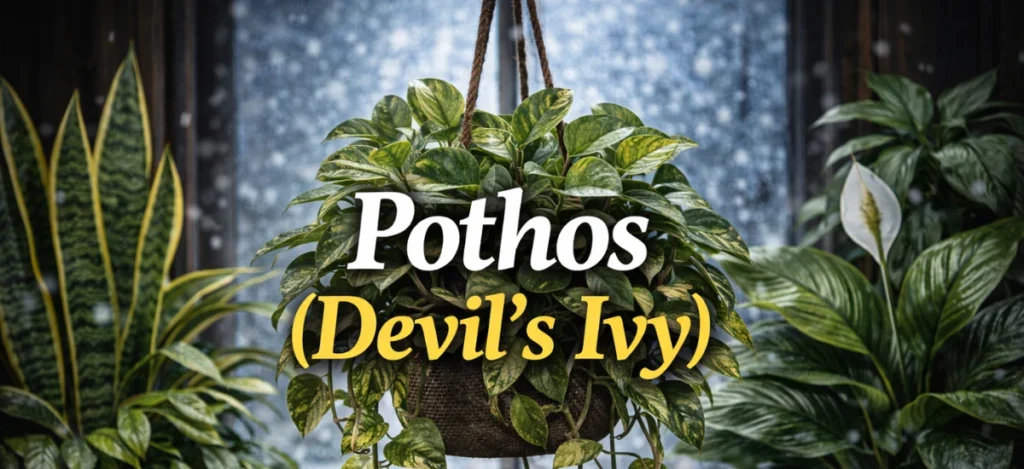
Pothos, or Devil’s Ivy, is likewise one of the most common indoor plants because it remains green throughout the year and might without difficulty modify to the extraordinary conditions of an indoor setting. It can even live to tell the tale in low-mild situations, which makes it ideal for indoor spaces that don’t acquire lots daylight throughout the winter months. Pothos is also very forgiving and grows very quickly, so even if you forget to water it sometimes, it’s going to be a hassle because it will easily recover.
Why It’s Great for Winter:
- Grows well in low light
- Recovers easily from stress
- Requires little care
Care Tips:
- Water when top soil is dry
- Trim occasionally to keep shape
- Works well in hanging pots
Pothos is a great choice for winter indoor gardening.
4. Peace Lily
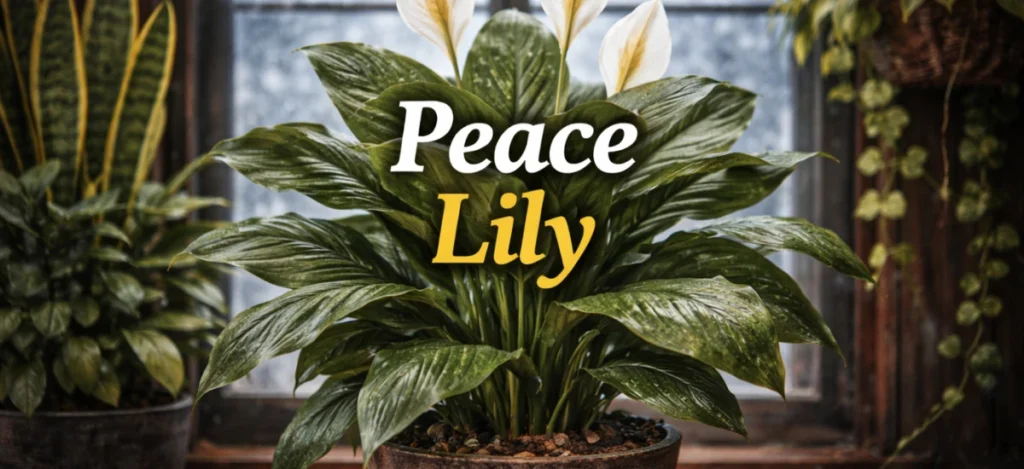
The Peace Lily is an adorable and elegant indoor plant that can enliven any room with its dark green leaves and white flowers. It is a terrific plant to have during winter because it is able to thrive in low light situations and will indicate when it wishes watering with the aid of leaning barely, making it a remarkable plant for novices. The Peace Lily is also a terrific plant to have in your home due to the fact it could purify the air in your home with the aid of getting rid of pollution and giving your property a sparkling experience.
Why It’s Great for Winter:
- Tolerates low light
- Signals when it needs water
- Helps improve indoor air
Care Tips:
- Water when leaves slightly droop
- Avoid cold air exposure
- Keep soil lightly moist
Peace Lily is perfect for living rooms and offices.
5. Spider Plant
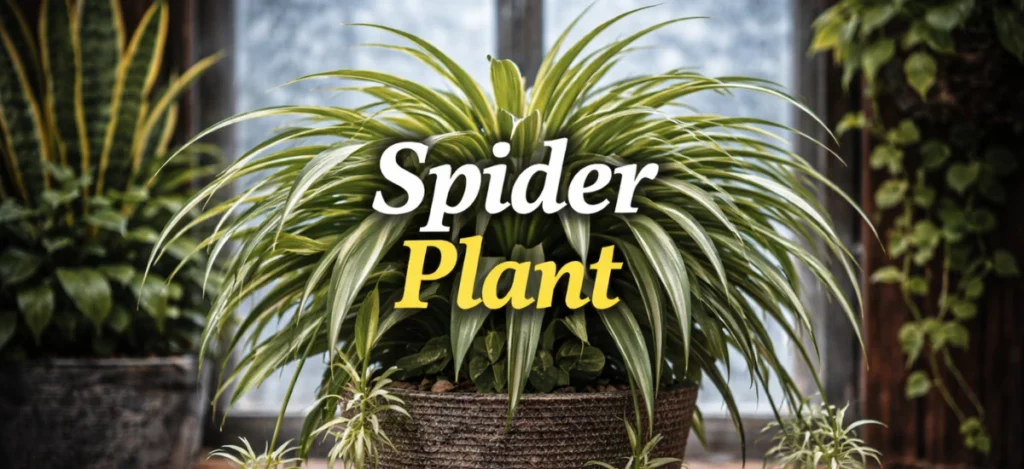
The Spider Plant is an easy-to-grow indoor plant that could tolerate a variety of situations, making it a suitable choice for wintry weather houses. It can grow nicely in conditions with oblique mild and can also resist a few neglects, making it an appropriate choice for a novice or a hectic household. The Spider Plant has a lively and fresh appearance because of its lengthy, curved leaves, and it additionally produces “infant” plants that may be easily grown to supply new plant life. The Spider Plant is also recognized to purify the air in your own home, making it a useful addition to your private home for the duration of the winter season.
Why It’s Great for Winter:
- Handles temperature changes
- Grows well in indirect light
- Easy to care for
Care Tips:
- Water once soil dries slightly
- Avoid cold drafts
- Trim dry tips
It’s also safe for homes with pets.
6. Rubber Plant
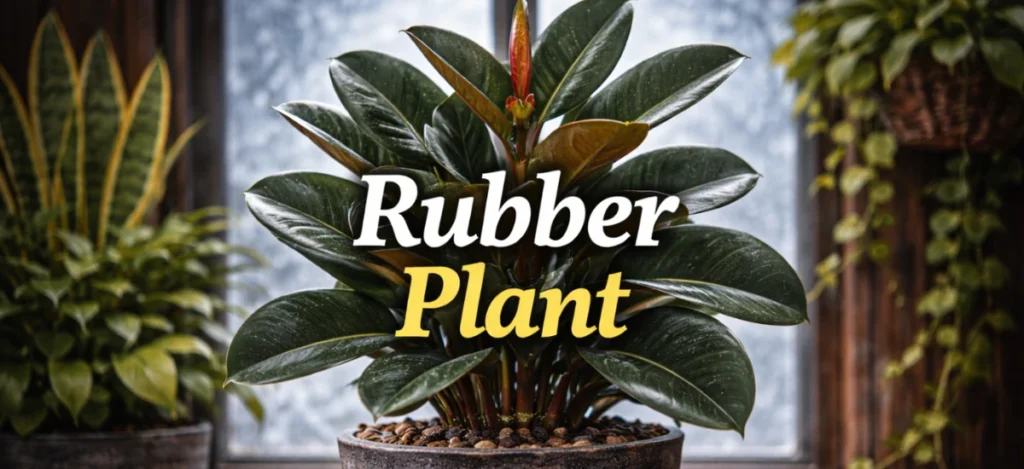
The Rubber Plant is a commonplace indoor plant that has thick and vivid leaves, which can store water, making it the appropriate plant for the wintry weather season. The Rubber Plant is also recognized for being capable of continuing to exist in low humidity and low-light environments, making it the right plant for indoor areas where sunlight is restricted. The Rubber Plant grows at a regular fee however does not require frequent care, making it the correct plant for a novice or someone with a hectic lifestyle.
Why It’s Great for Winter:
- Needs less watering
- Handles low humidity
- Grows well indoors
Care Tips:
- Water every 2–3 weeks
- Clean leaves to remove dust
- Place near bright indirect light
Rubber Plants make excellent statement plants.
7. Chinese Evergreen
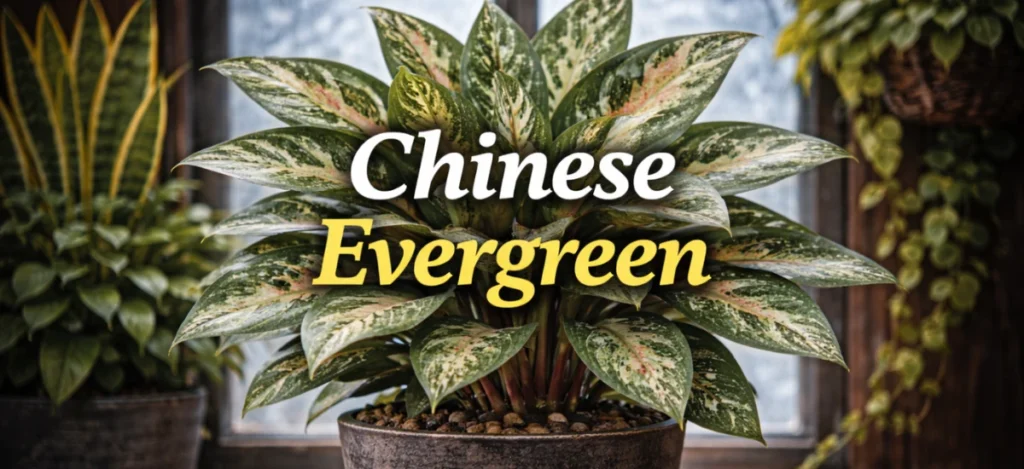
The Chinese Evergreen is a completely ornamental indoor plant, which is loved for its appealing leaves, which can be patterned and come in numerous shades of green, silver, and occasionally red. The Chinese Evergreen may be very adaptable and can live to tell the tale in low-light situations, making it the correct plant for winter, while daylight is scarce. The Chinese Evergreen is a low-maintenance plant that doesn’t want an awful lot of watering and can also survive in dry air, making it the proper plant for busy families or folks who are new to plant care.
Why It’s Great for Winter:
- Thrives in low light
- Needs minimal water
- Tolerates dry air
Care Tips:
- Water when top soil dries
- Avoid cold windows
- Ideal for bedrooms
This plant is perfect for winter homes.
8. Aloe Vera
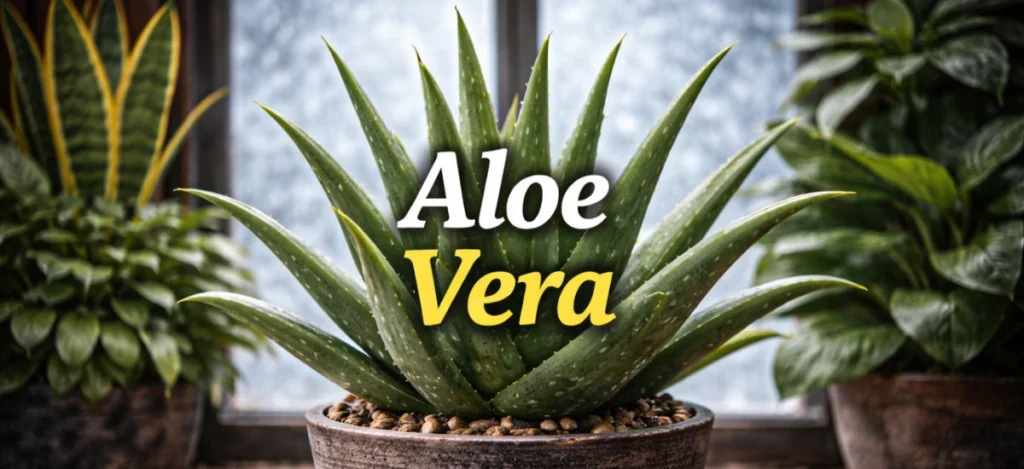
Aloe Vera is a totally flexible and hardy indoor plant that is not only beneficial but also very smooth to hold. Its thick, juicy leaves incorporate water, which makes it the most suitable plant for the winter season, whilst watering isn’t required as often. Aloe Vera requires bright, indirect daylight but can also withstand some coloration, which makes it the most suitable plant for houses that receive much less natural daylight. Apart from being a decorative plant, the gel from its leaves can also be used to treat cuts, burns, and even skin problems, which makes it an added benefit to have it indoors.
Why It’s Great for Winter:
- Stores water in leaves
- Needs very little watering
- Loves bright indoor light
Care Tips:
- Water once every 3–4 weeks
- Keep near a sunny window
- Avoid cold temperatures
Aloe Vera is great for kitchens and sunny rooms.
9. Cast Iron Plant
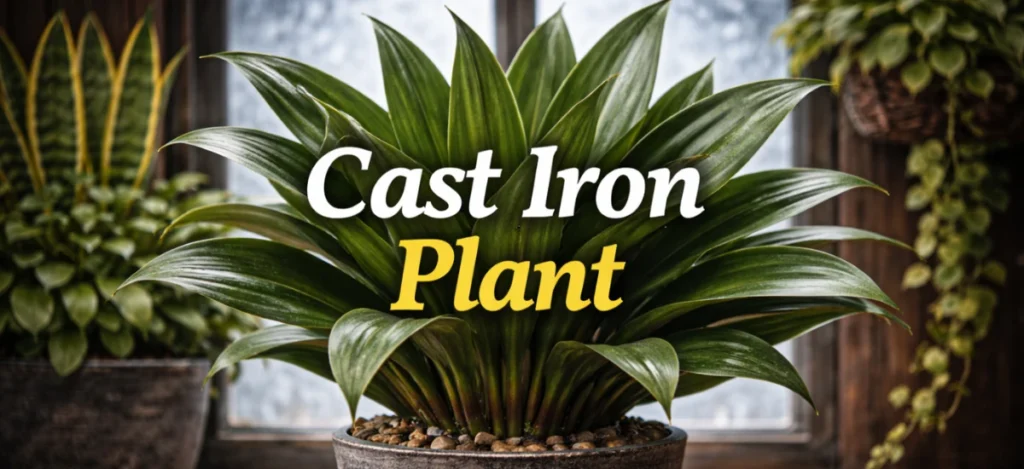
As the name itself implies, the Cast Iron Plant is very hardy and almost not possible to kill, making it one of the most ideal plants to have in wintry weather homes. It can thrive in low light conditions, temperature fluctuations, and dry air, making it perfect for regions of the residence that are harder to heat up and remove darkness from throughout the wintery months. It is also a low-maintenance plant that grows slowly and requires less watering, making it best for new gardeners or busy owners who need to have a lush and healthy plant without the trouble of being concerned for it. The Cast Iron Plant has darkish green, glossy leaves that add a touch of beauty to any room.
Why It’s Great for Winter:
- Survives low light
- Needs little water
- Tolerates temperature changes
Care Tips:
- Water only when soil is dry
- Slow-growing but strong
- Perfect for dark rooms
This is one of the best low-maintenance winter plants.
10. Jade Plant
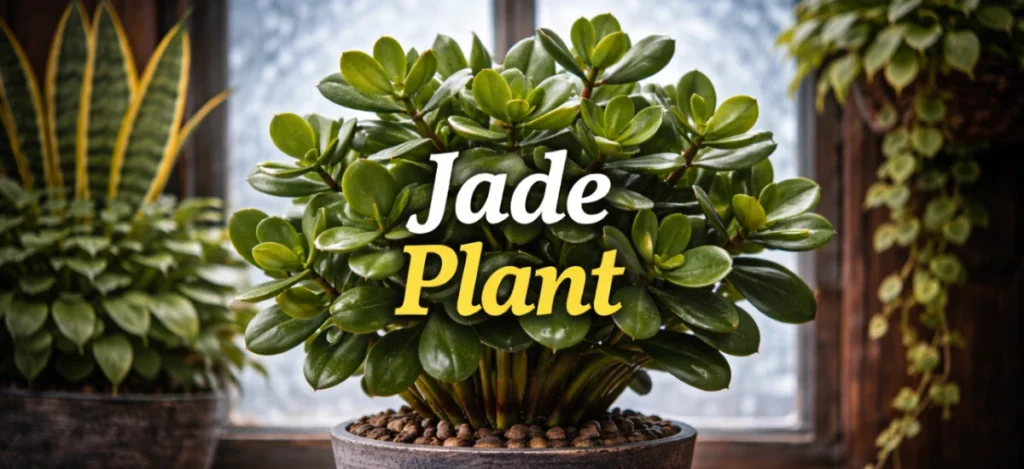
The Jade Plant is a low-maintenance succulent that may be grown indoors. It is known for its thick, fleshy leaves and is a slow-developing plant. The Jade Plant is a great water-storing plant because it stores water in its leaves. This makes it a great plant to be grown for the duration of winter when vegetation needs much less watering. The Jade Plant grows properly in brilliant, indirect light, but it can also develop in shade. This makes it an ideal plant to be grown in any indoor area. The Jade Plant is likewise called a symbol of exact luck and prosperity. This plant isn’t always the most effective a terrific addition in your indoor space, and it also brings a nice aura to your home.
Why It’s Great for Winter:
- Stores water in thick leaves
- Needs very little care
- Thrives indoors
Care Tips:
- Water once the soil dries fully
- Keep in bright light
- Avoid cold drafts
Jade Plants can live for many years.
11. Dracaena
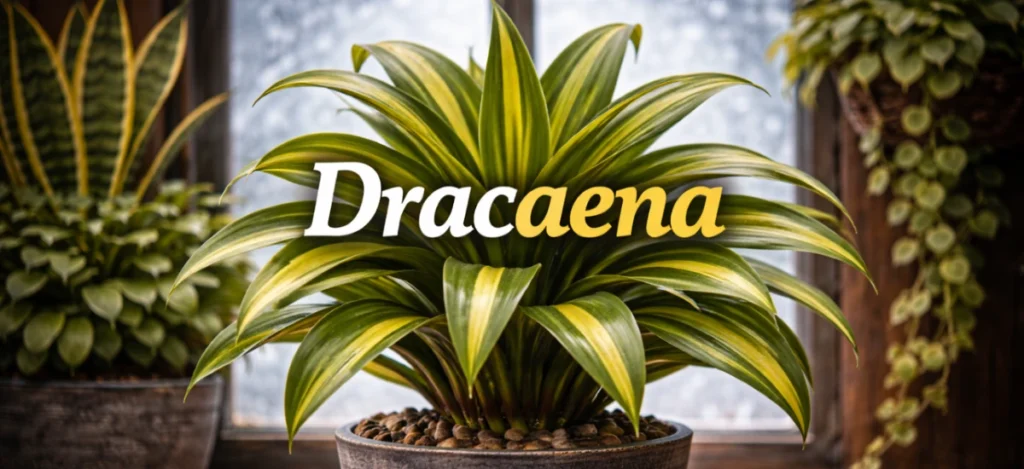
Dracaena is an adaptable indoor plant that has numerous sorts and sizes, making it best for numerous regions of your house. It is also an iciness-pleasant plant when you consider that it could grow well in low to medium light and doesn’t require common watering, even for the duration of the iciness season. Dracaena has long and delightful leaves that can add height and hobby in your indoor space, and because it grows slowly, it is also a low-maintenance plant. Whether you put it in your residing room, workplace, or hallway, Dracaena plant life can add a dramatic touch of greenery in your indoor area without requiring tons of your effort and time.
Why It’s Great for Winter:
- Grows well in low light
- Needs less watering
- Strong and adaptable
Care Tips:
- Water when top soil is dry
- Keep away from cold air
- Clean leaves regularly
Dracaena works well in modern homes.
12. Philodendron
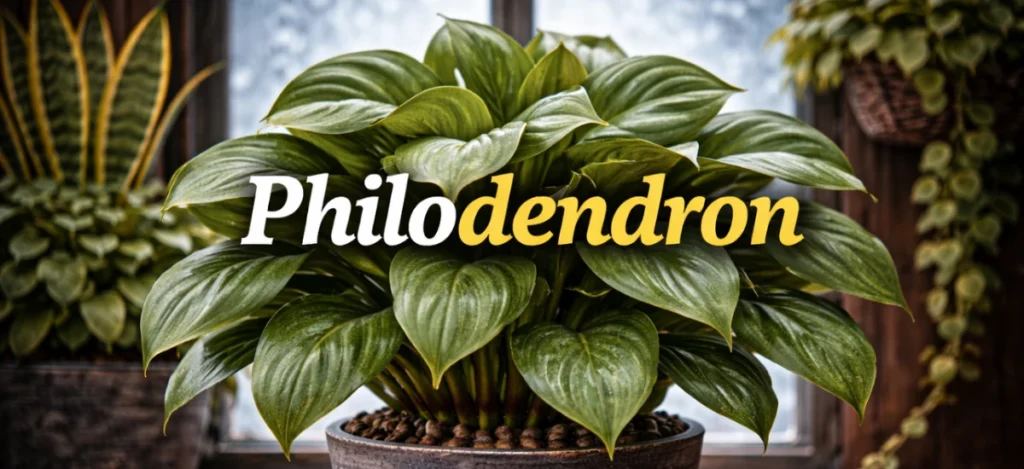
Philodendron plants are also acknowledged for being smooth-going and forgiving, which makes them perfect for indoor gardening at some stage in winter. They can thrive in low-light conditions and may survive with minimal care, which is perfect for winter when daylight is limited. They have heart-shaped or broken leaves that supply a lush and tropical appearance to any room, and they can be grown in pots or as trailing plants on shelves or putting baskets. Philodendrons also are not very sensitive to occasional neglect, so even an amateur or a busy homeowner could have a healthy and vibrant plant for the duration of winter.
Why It’s Great for Winter:
- Handles low light
- Recovers easily
- Needs little maintenance
Care Tips:
- Water the soil feels dry
- Provide indirect light
- Works well in hanging pots
A great plant for beginners.
13. Parlor Palm
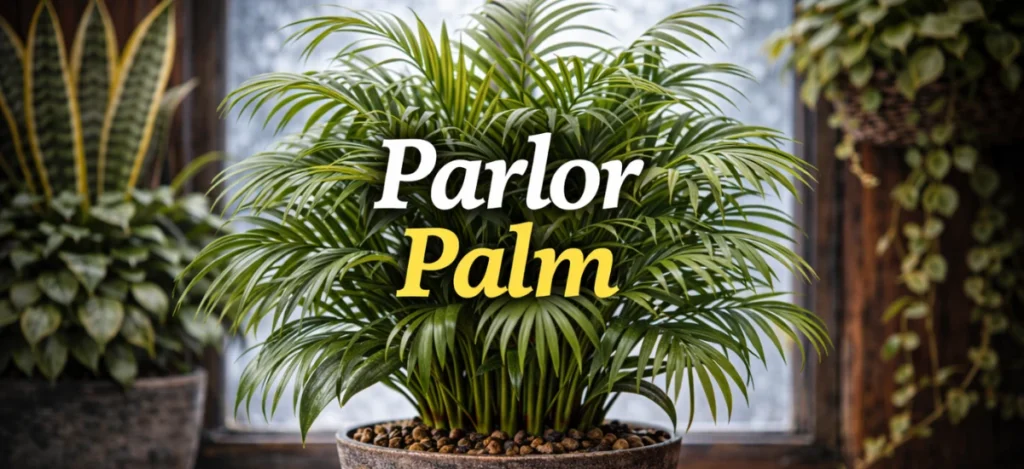
The Parlor Palm is a traditional houseplant that brings a touch of tropical elegance to any room. It is an ideal winter plant because it can thrive in low-light situations and tolerate cooler temperatures, making it the ideal choice for rooms that receive limited daylight all through the winter months. Parlor Palms are slow-growing plants that require low watering, which makes them much less prone to overwatering, a common trouble throughout the winter months. The Parlor Palm is a terrific choice for living rooms, workplaces, or entryways.
Why It’s Great for Winter:
- Tolerates low light
- Likes indoor temperatures
- Needs little care
Care Tips:
- Water lightly
- Keep away from heaters
- Ideal for living rooms
Parlor Palms are safe for pets, too.
14. Succulents (General)
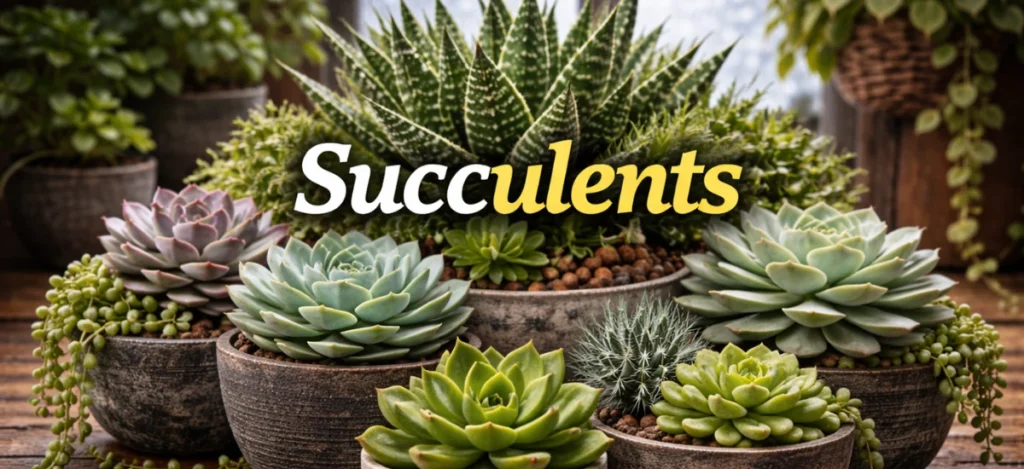
Most succulents make exceptional indoor plants throughout winter because they need less watering and might effortlessly continue to exist within the dry indoor surroundings. Succulents have thick leaves that are full of water, and they can live without problems, live to tell the tale even if you forget to water them for a while. Succulents require shiny, indirect daylight however also can live to tell the tale in moderate coloration. They are available in exclusive shapes, sizes, and colorings, which makes them a remarkable addition to your indoor environment. Succulents require much less protection and will live wholesome and vibrant at some point of the winter season, making them best for both beginners and experts.
Why They’re Great for Winter:
- Needs very little water
- Prefer dry air
- Grow slowly in winter
Care Tips:
- Place near sunlight
- Water sparingly
- Avoid cold windows
Perfect for small spaces.
15. Cactus
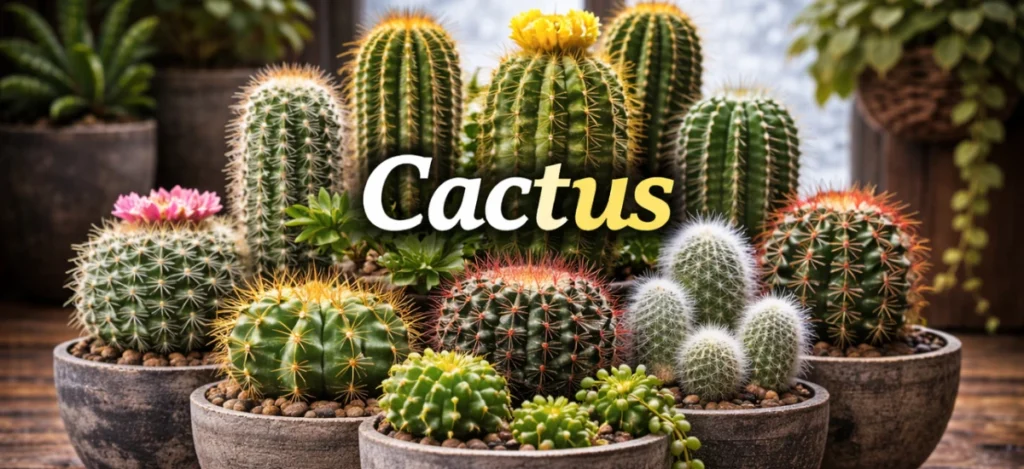
Cactus plants are inherently drought-tolerant due to the fact that they’re drought-resistant and have the potential to keep water in their thick stems and leaves. They require shiny, oblique sunlight, but they can also live to tell the tale in mild light conditions indoors. Cacti are sluggish-developing plants, which means they require little to no protection throughout the wintery weather months. They have thrilling shapes and textures that make them an interesting addition to any room. Cactus plant life requires little watering and upkeep, and this means that they’ll live wholesome and colourful throughout the wintery weather months.
Why They’re Great for Winter:
- Thrive with minimal water
- Love indoor warmth
- Very low maintenance
Care Tips:
- Water once a month
- Place near sunlight
- Do not overwater
Ideal for beginners and busy homes.
Winter Care Tips for Indoor Plants
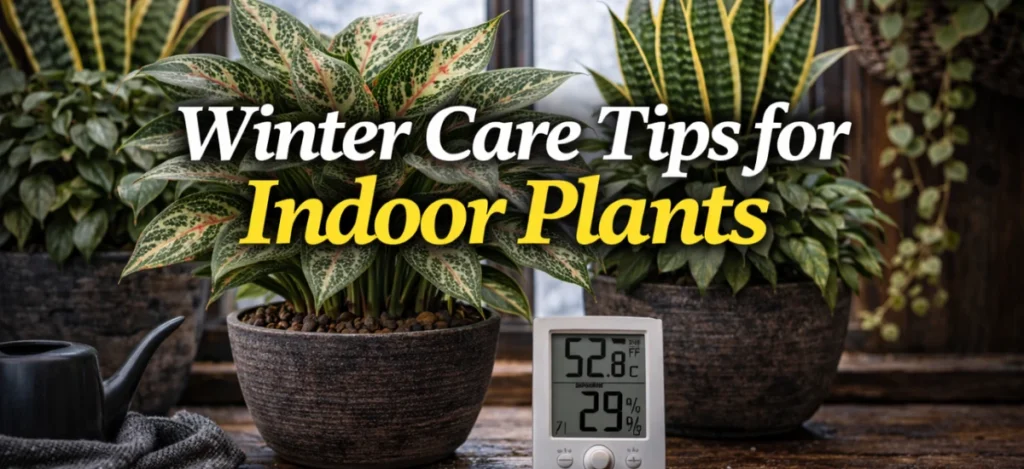
Even winter-friendly indoor plants need some primary care to stay healthy throughout the colder months. While these plants are hardy and require occasional maintenance, following a few easy hints can make a big difference in maintaining them colourful all iciness lengthy.
1. Reduce Watering
During winter, maximum indoor plants develop very slowly. Because of this, they use much less water than they do in the spring or summer season. Overwatering is one of the most common reasons plants get unwell or die in winter. Always test the soil first—water simply while the top 1–2 inches are dry to the touch. Succulents, cacti, and other water-storing flowers want even less water throughout this season.
2. Maximize Natural Light
Winter days are shorter, and daylight is weaker. To help your plants thrive, place them in the direction of windows or areas where they are able to get more natural light. East- or south-facing windows usually offer the fine oblique daylight. Avoid setting plants in darkish corners, as low light can slow growth and reduce their colourful green coloration.
3. Avoid Cold Drafts
Cold drafts from doors, windows, or poorly insulated regions can surprise your plant life and damage its leaves. Keep indoor plants away from drafty spots, and keep them away from setting them immediately on cold surfaces. If possible, create a strong, slightly warmer surroundings to your plant life throughout wintry weather.
4. Clean Leaves
Dust can block daylight and reduce a plant’s potential to photosynthesize, especially while light is already confined in winter. Gently wipe leaves with a damp cloth every few weeks. For plants with small or delicate leaves, use a tender brush or spray water gently to take away dirt.
5. Do Not Fertilize
Most indoor plants enter a sluggish-boom or dormant segment at some stage in winter. Fertilizing all through this time is unnecessary and may stress the plant. Wait until spring, whilst the new boom starts off, to renew normal feeding. For iciness-hardy succulents or sluggish-growing vegetation, a light feed as soon as in late winter is enough if wanted.
Best Indoor Plants for Cold-Climate Homes

If you live in a colder region, choosing the right indoor plants is even more important. Cold temperatures, low light, and dry indoor air can make it challenging for many plants to survive the winter. However, some indoor plants are naturally tough and can handle harsh winter conditions with minimal care.
Here are some of the best options for cold-weather homes:
- Snake Plant
- ZZ Plant
- Cast Iron Plant
- Chinese Evergreen
These plants handle winter conditions very well.
Common Mistakes to Avoid in Winter
Even winter-friendly indoor plants can suffer if certain care mistakes are made. By being aware of these common pitfalls, you can keep your plants healthy, vibrant, and thriving throughout the colder months.
- Overwatering
- Placing plants near heaters
- Ignoring light needs
- Moving plants too often
Avoiding these mistakes keeps plants healthy.
Final Thoughts
Winter does not mean your home has to lose its greenery. By choosing the best winter-friendly indoor plants, you can enjoy healthy, beautiful plants all season long with very little effort.
Plants like Snake Plant, ZZ Plant, Pothos, and Peace Lily are perfect for winter homes. They survive low light, dry air, and less watering, making them ideal for beginners and experienced plant lovers alike.
With the right plants and simple care, indoor gardening in winter becomes easy and enjoyable.
Read More: Top Indoor Plants & Low Light Indoor Plants You Must Try
Frequently Asked Questions About Winter-Friendly Indoor Plants
Some of the first-rate winter-friendly indoor plants consist of Snake Plant, ZZ Plant, Pothos, Peace Lily, Spider Plant, and Chinese Evergreen. These plant life survive low light, dry air, and want tons less watering in the course of winter.
Plants like Snake Plant, Cast Iron Plant, ZZ Plant, and Jade Plant continue to exist in wintry weather without problems due to the truth that they grow slowly and do not require unusual watering or sunlight.
Yes, most indoor plants need less water in wintry weather. Cold temperatures and low light slow plant growth, so overwatering can harm roots and cause vegetation to die.
Some indoor plants develop properly in low light at some stage in winter, which include Snake Plant, Pothos, Chinese Evergreen, and Dracaena. However, indirect herbal moderate continues to be useful.
Low-protection indoor plants for winter encompass Snake Plant, ZZ Plant, Spider Plant, Aloe Vera, and Succulents. These plants require minimal watering and primary care.
In wintry weather, indoor plants must be watered best while the soil feels dry. For most vegetation, watering once each 2-3 weeks is sufficient, depending on temperature and humidity.
No, indoor plant must now not be located close to warmers. Hot air dries out leaves brief and may damage vegetation. Always hold plants faraway from direct warm temperature assets.
Snake Plant, ZZ Plant, Cast Iron Plant, Chinese Evergreen, and Dracaena are a number of the pleasant indoor plants for cold climate houses because they tolerate temperature adjustments properly.
Yes, beginners can develop indoor plant without problems in winter by selecting hardy flowers and avoiding overwatering. Low-protection vegetation is fine for beginners.